Finding an English Speaking Dentist in Italy
A helpful guide for English-speaking visitors, expats, and travelers looking for dental care across Italy. Understanding your options starts with clear communication.
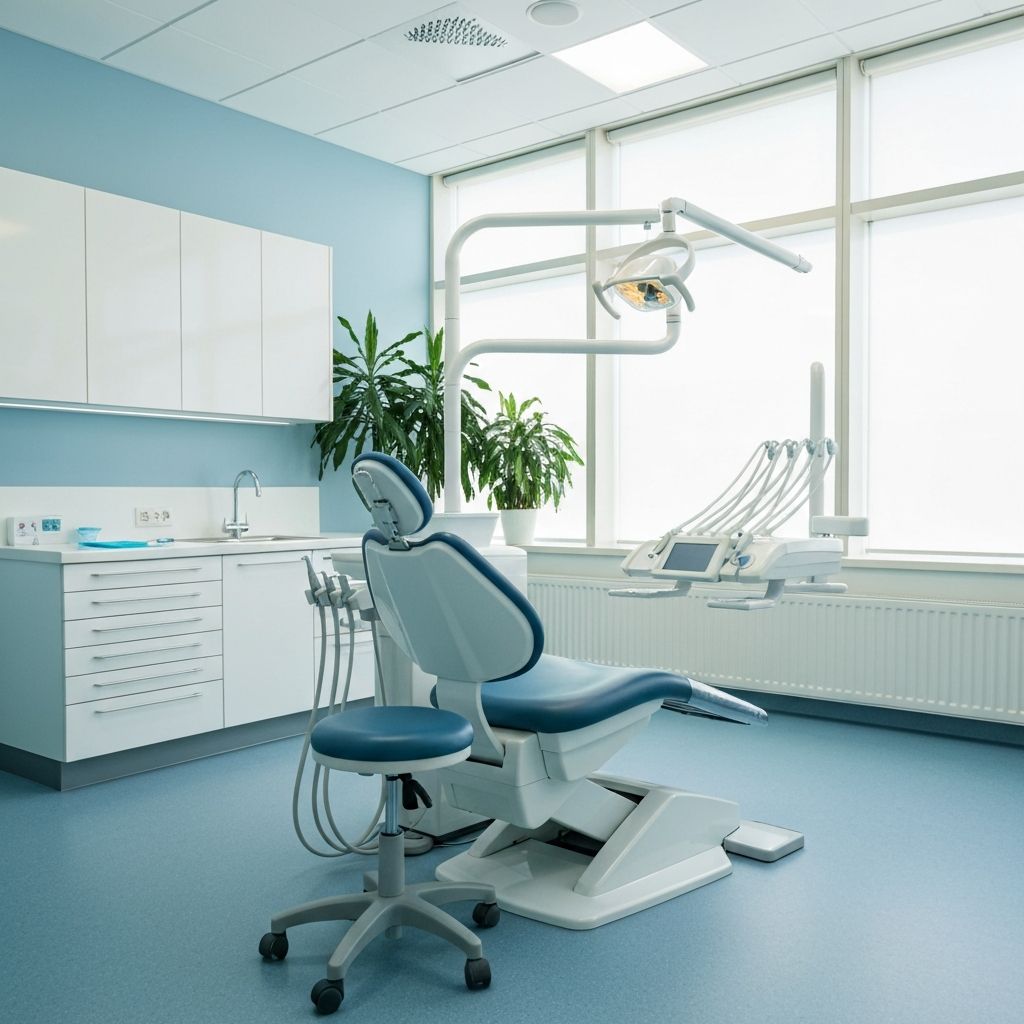
Why Language Matters in Dental Care
Visiting a dentist in a foreign country presents unique challenges. When you cannot fully express your symptoms, medical history, or concerns, the quality of communication between patient and practitioner may be affected.
Clear Communication
Being able to describe dental pain, sensitivity, or other symptoms in your own language helps ensure that the dentist understands your situation accurately.
Cultural Understanding
Dental care practices and patient expectations may differ between countries. A shared language can help bridge cultural gaps in medical communication.
Treatment Clarity
Understanding treatment plans, aftercare instructions, and potential risks is important. Language barriers can make it harder to follow through on dental advice.
Insurance Documentation
International patients often need dental invoices and documentation in English for travel insurance claims or reimbursement purposes.

Dental Care While Traveling in Italy
Italy is one of the most visited countries in the world, welcoming millions of international tourists each year. Whether you are visiting for a short holiday, studying abroad, or living as an expat, dental issues can arise unexpectedly.
A toothache, a broken filling, or a chipped tooth does not wait for a convenient moment. When such issues occur far from home, many people find themselves searching online for a dentist who speaks their language. This is a natural response to wanting clear, understandable care.
In Italy, public dental services are limited and often have long waiting lists. Most dental care is provided through private clinics. This means that international visitors typically need to find a private dentist, and language can become an important factor in choosing where to go.
Understanding Dental Procedures
Knowing the basics of common dental procedures can help you feel more prepared when visiting a dentist abroad.
Routine Check-ups and Cleaning
Regular dental check-ups typically include an examination of teeth and gums, professional cleaning to remove plaque and tartar, and sometimes X-rays. These visits help identify potential issues before they become serious.
Fillings and Restorations
When a tooth develops a cavity, a filling is used to restore it. Materials can include composite resin, porcelain, or amalgam. Understanding the type of filling being used and the expected outcome can be easier when language is not a barrier.
Root Canal Treatment
A root canal is performed when the inner tissue of a tooth becomes infected. It involves removing the infected tissue, cleaning the canal, and sealing the tooth. This procedure often requires detailed explanation and follow-up care.
Dental Crowns and Bridges
Crowns cover damaged teeth while bridges replace missing ones. Both involve multiple visits and require clear communication about materials, fitting, and aftercare instructions.
Tooth Extraction
Sometimes a tooth needs to be removed due to damage, decay, or crowding. Understanding pre-procedure instructions, anesthesia options, and post-extraction care is important for a smooth experience.
Emergency Dental Care
Dental emergencies such as severe pain, trauma to the mouth, or sudden swelling require prompt attention. Being able to communicate the nature and severity of the problem quickly can be helpful in an emergency situation.
Insurance and Invoices for International Patients
Many international visitors to Italy have travel insurance or private health insurance that may cover dental emergencies or unexpected dental work. To file a claim, patients usually need a detailed invoice from the dental clinic.
A dental invoice in Italy typically includes the clinic details, patient information, a description of the treatment performed, the date of treatment, and the associated costs. It may also include Italian tax identification numbers.
Having a dentist who can provide documentation in English, or at least explain the invoice contents, can make the insurance reimbursement process smoother.
Read the full Insurance and Invoices Guide
Find an English Speaking Dentist by City
Select a city below to find information about dental care options for English-speaking visitors in some of the most visited cities in Italy.
Frequently Asked Questions
Is it common to find English-speaking dentists in Italy?
In larger cities and tourist areas, some dental professionals speak English. However, it varies widely. In smaller towns, finding an English-speaking dentist may be more difficult. Searching online or asking at your hotel or accommodation for suggestions is a common approach.
How does the Italian dental system work?
Italy has both public and private dental services. Public dental care through the national health service (SSN) is available but often has long waiting times and limited services. Most dental care, especially for visitors, is provided through private clinics.
Do I need a referral to see a dentist in Italy?
No. In Italy, you can contact a dental clinic directly to book an appointment. There is no requirement for a referral from a general practitioner for private dental visits.
How much does dental care cost in Italy?
Dental costs in private clinics in Italy vary depending on the city and the treatment. A routine check-up might cost between 50 and 150 euros. More complex procedures like crowns or root canals will cost more. Prices are generally not standardized across clinics.
Can I get a dental invoice for my insurance company?
Yes. Private dental clinics in Italy issue invoices for all treatments. These invoices can typically be used for insurance reimbursement claims. You can read more in our Insurance and Dental Invoices Guide.
What should I do in a dental emergency in Italy?
If you experience a dental emergency, you should try to contact a dental clinic directly. In some cities, hospital emergency rooms can provide basic dental first aid. You can find more detailed guidance in our Dental Emergency Guide.